
4 SHIFTS PROTOCOL
Welcome to the resource page for the 4 Shifts Protocol (formerly known as trudacot), a discussion protocol intended to help facilitate educator conversations about deeper learning, greater student agency, more authentic work, and rich technology infusion! The 4 Shifts Protocol is being used by teachers, principals, instructional coaches, and technology integrationists all over the world to make lessons, units, and instructional activities richer, more robust, and more relevant for the global innovation society in which we now live.

The 4 Shifts Protocol has been released with a Creative Commons BY-SA copyright license and is very much a work in progress. Feel free to use and/or modify it as desired. The more people that we have looking at and working with the protocol, the more useful it can become. Let us know how you’re using it and help us make it better. Even better, share out using the #4shifts hashtag
Read this first!
What Are The Four Big Shifts?
The 4 Shifts Protocol includes annotations and tips for usage. First and foremost is the suggestion to focus on just one or two sections of the template. Unless we’re designing a big, multi-week project, we need to pick and choose a few focal areas rather than trying to cover the entire template. Let us be clear: the protocol should NOT be used as a massive checklist of things that should be present in a teacher’s lesson or unit.
A second suggestion is to answer a question or two from the protocol about a lesson or unit – preferably in small groups, not just individually – and then ask, ‘If we wanted the answer(s) to the question(s) to be different, how could we redesign this to make that desired answer happen instead?’ THIS is where the powerful conversations occur; THIS is the instructional redesign work we should be doing with educators.
Finally, we are finding the protocol to have the most power as an up-front brainstorming, idea-generating, and design tool, not an after-the-fact evaluative tool. We want educators thinking about lesson and unit (re)design in ways that are safe and generative, not worrying about being judged. One great way to do this is to first use the protocol to look at lessons that are not our own in order to minimize educators’ defensiveness.


Overview of The Four Big Shifts
We have a lot of technology floating around our schools and classrooms these days. And while that can and should be a good thing given the digital age in which we now live, we often find that our technology-related efforts aren’t paying off for us as we had hoped. For example, we see a lot of replicative use – doing the same things that we used to do in analog classrooms, only with more expensive tools – and we see many teachers using technology simply for technology’s sake. There are many reasons why all of this is true, but a primary one is that we don’t have great ways to think about what is occurring when we see students and teachers using technology for learning and teaching purposes.
TPACK and SAMR are the two main technology integration frameworks being used right now. While conceptually useful, both of them have their limitations. For instance, neither are very specific when it comes to helping teachers think about what to change to make their technology integration better. The SAMR levels have the additional challenge of apparently meaning very different things to different people; we have witnessed on numerous occasions a particular usage of technology placed in all four SAMR levels by educator audiences. Plus a lesson can be high on the SAMR ladder but still be low-level learning. Resources like the TPACK activity types help with some of this but we were looking for something different. Failing to find what we wanted, we decided to make our own.
Why buy the book when the protocol is free?!
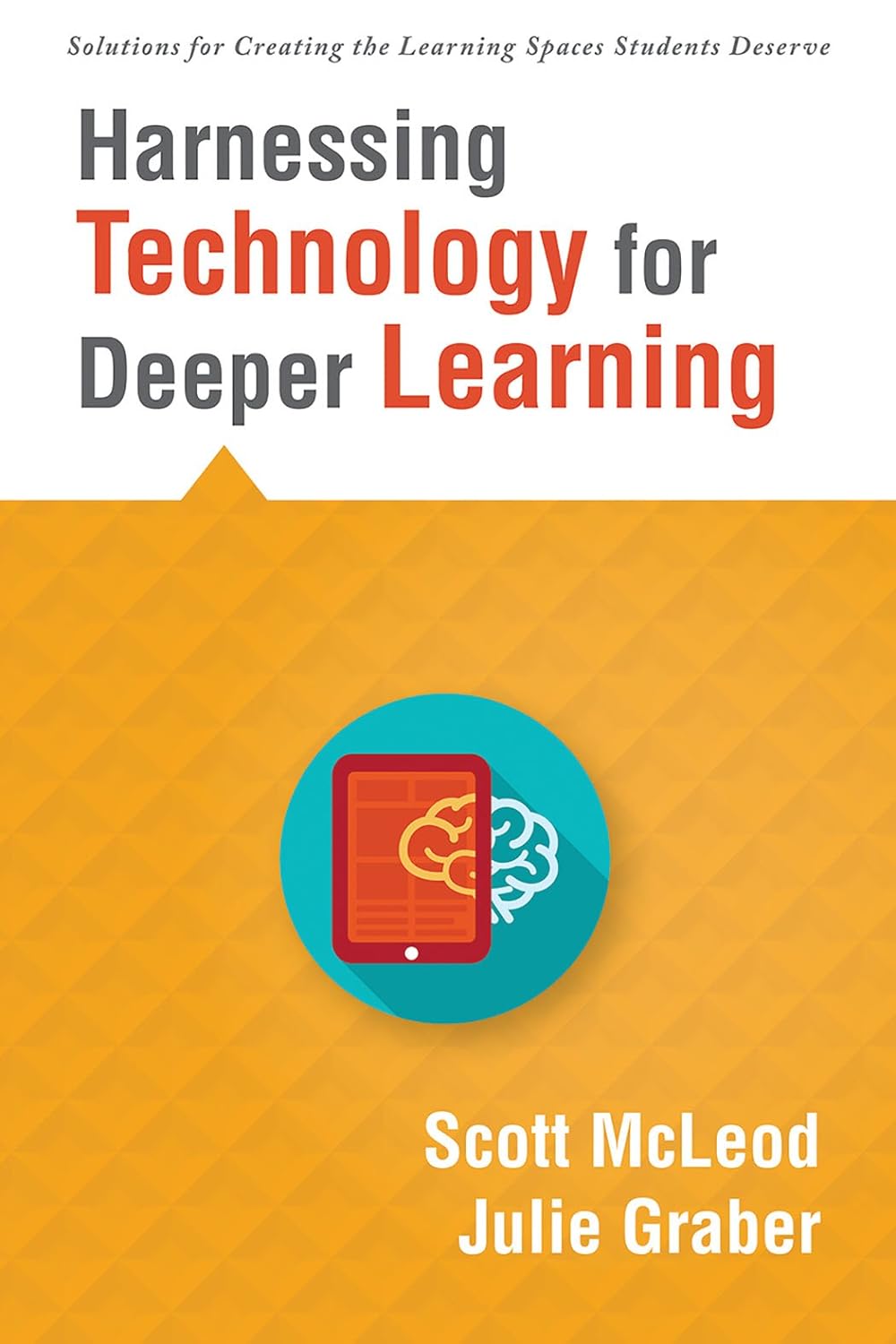
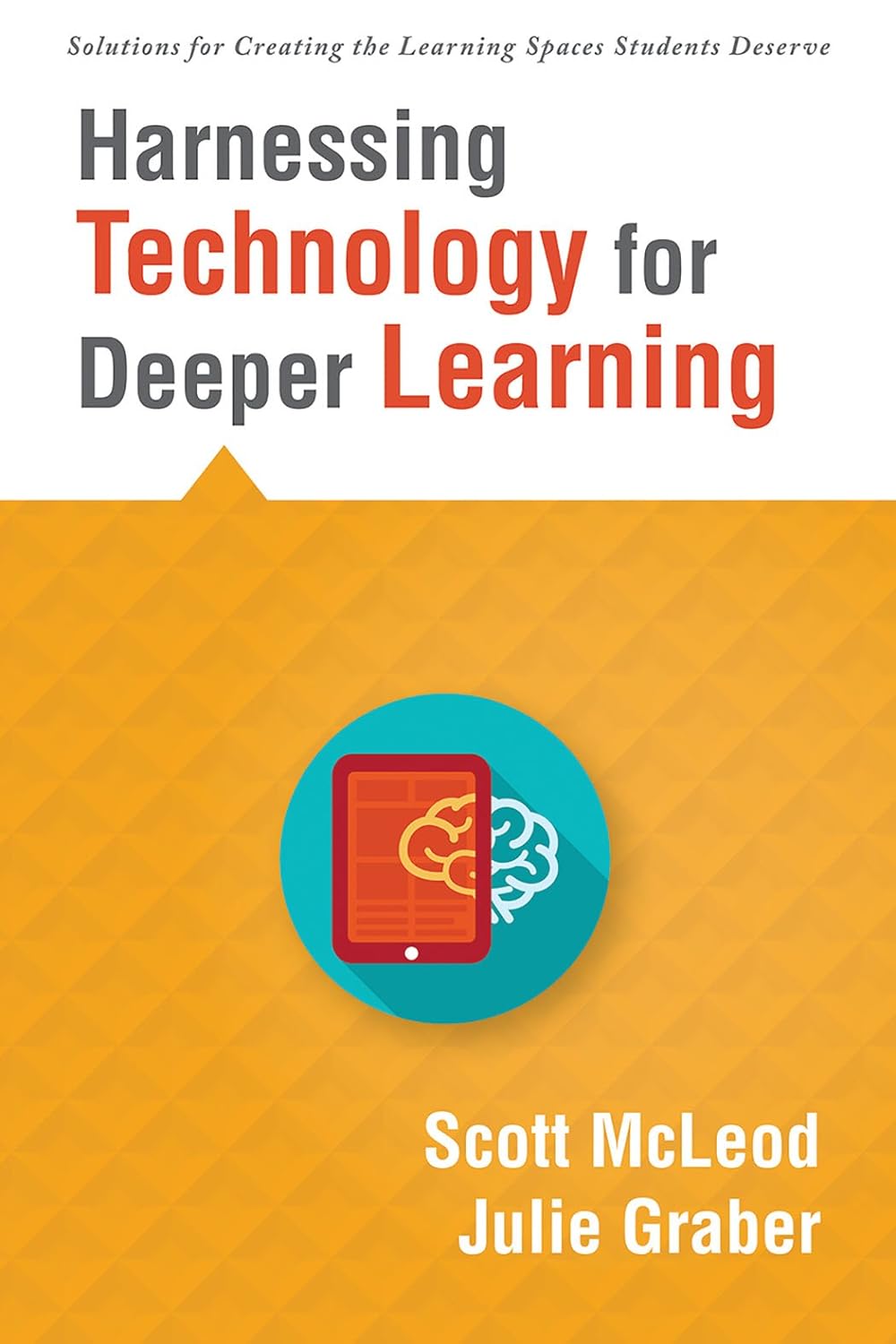
Our book, Harnessing Technology for Deeper Learning, takes a deep dive with the protocol. In the book we provide eight concrete examples of lesson and unit (re)design so that you can see the protocol in practice across various grade levels and subject areas. The book is aimed squarely at practitioners and their day-to-day instructional (re)design needs.
Resources
(please share with us your own resources and how you’re using the protocol!)
join the maling list
Your content goes here. Edit or remove this text inline or in the module Content settings. You can also style every aspect of this content in the module Design settings and even apply custom CSS to this text in the module Advanced settings.
Contact Scott and Julie
Your Title Goes Here
Your content goes here. Edit or remove this text inline or in the module Content settings. You can also style every aspect of this content in the module Design settings and even apply custom CSS to this text in the module Advanced settings.
Your Title Goes Here
Your content goes here. Edit or remove this text inline or in the module Content settings. You can also style every aspect of this content in the module Design settings and even apply custom CSS to this text in the module Advanced settings.
Your Title Goes Here
Your content goes here. Edit or remove this text inline or in the module Content settings. You can also style every aspect of this content in the module Design settings and even apply custom CSS to this text in the module Advanced settings.
Your Title Goes Here
Your content goes here. Edit or remove this text inline or in the module Content settings. You can also style every aspect of this content in the module Design settings and even apply custom CSS to this text in the module Advanced settings.
Your Title Goes Here
Your content goes here. Edit or remove this text inline or in the module Content settings. You can also style every aspect of this content in the module Design settings and even apply custom CSS to this text in the module Advanced settings.

24 Hour Support
In hac habitasse platea dictumst. Vivamus adipiscing fermentum quam volutpat aliquam. Integer et elit eget elit facilisis tristique. Nam vel iaculis mauris.
What others are saying about the 4 Shifts Protocol
reviews
- How to move from digital substitution to ‘deeper learning’ (EdSurge podcast)
- 4 big shifts that can personalize the learning journey (EdSurge Fusion presentation recap)
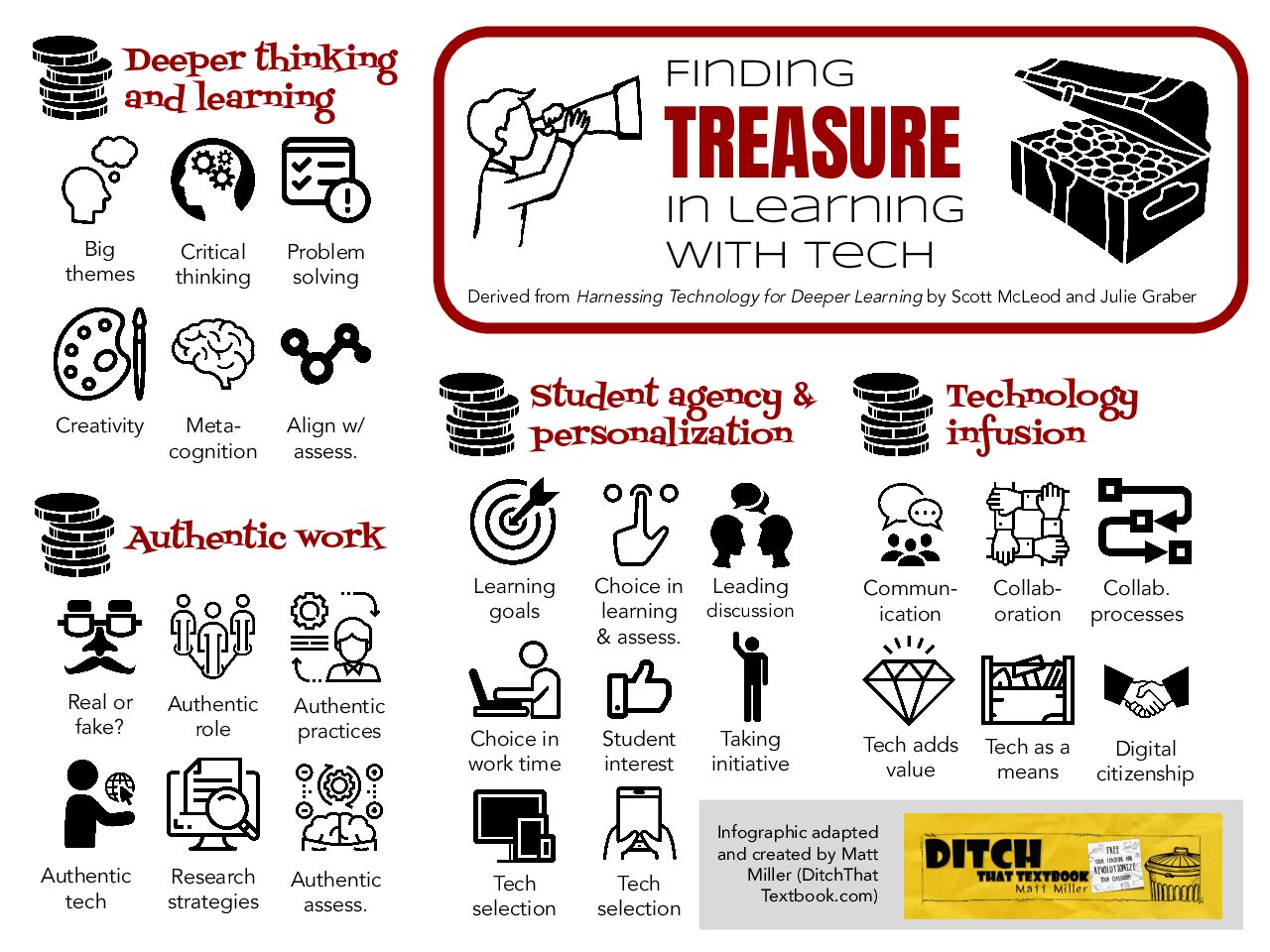
- 10 lesson upgrades for learning with tech (Matt Miller infographic and review)
- Review: Harnessing technology for deeper learning (Joy Kirr review)
- Getting Smart podcast (Tom Vander Ark)
- Shifting Our Schools podcast (Jeff Utecht)
- How to promote deeper learning with the 4 shifts (Cool Cat Teacher podcast)
- Designing for deeper learning: A conversation with author Julie Graber (EdTechTeacher podcast and review)
- Authentic learning: What does it mean and what does it look like? (Drew Witherell)
- 4 Shifts Protocol helps redesign lessons for deeper learning (Patrick Larkin)
- Harnessing Technology for Deeper Learning book review (Doug Green)
- Modern Measures podcast (Eric Patnoudes)
- Coffee for the Brain podcast (Aaron Maurer)
A few schools and districts that we know are using the 4 Shifts Protocol
- Kentucky – all Digital Learning Coaches statewide
- Colorado – Jeffco Public Schools
- Texas – Spring Branch Independent School District
- Massachusetts – Mendon-Upton Regional School District
- Virginia – Goochland County Public Schools
- Virginia – Cumberland County Public Schools
- Virginia – Louisa County Public Schools
Join Me!
A community of individuals of people who like to think deeply, give students freedom, create technologicallly robust classrooms, and who genuinely want to prepare students as best as we professionals can.